
Porcelain Tile for Showers: A Complete Guide for Homeowners
If you’re dreaming of a more beautiful shower, porcelain tile is one of the smartest upgrades you can make. That’s why homeowners continue to turn to porcelain tile for durability, water resistance, and exceptional design flexibility. It rewards homeowners with a spa-inspired space that is as easy to maintain as it is beautiful.
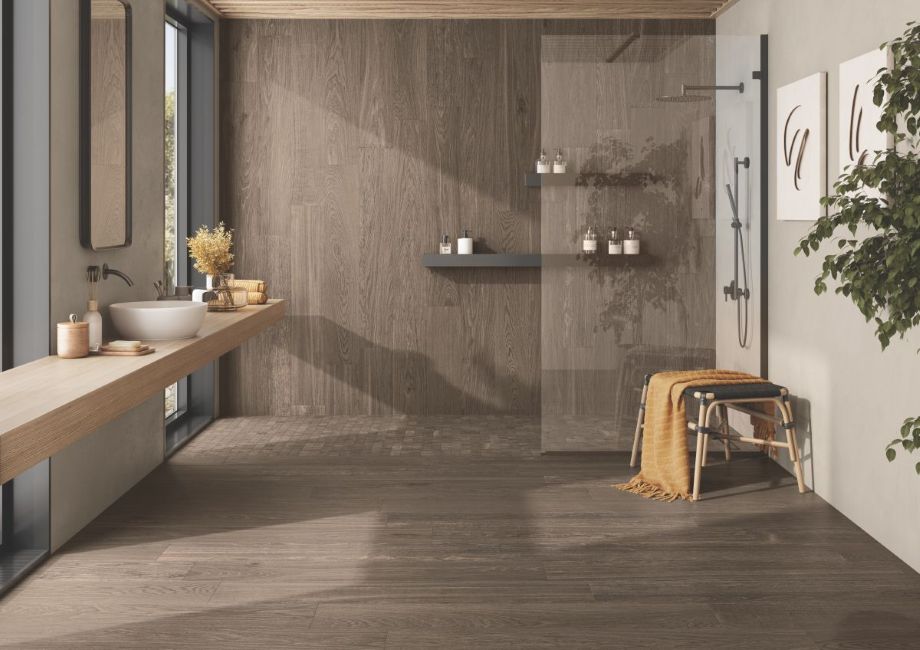
Porcelain Tile Use Continues to Grow
The numbers tell a clear story.
In 2025, the ceramic tile market was valued at USD 212.17 billion and is projected to reach USD 310.45 billion by 2030. Porcelain leads the category, capturing more than 51 percent of the ceramic tile market (Mordor Intelligence).
Glazed porcelain is expected to grow even faster, at an 8.52 percent CAGR, thanks to its performance in wet environments such as showers.
“Homeowners are consistently surprised by how much porcelain elevates a bathroom. It gives you the look of a luxury retreat without the constant upkeep. And because it is engineered for wet areas, you never have to worry about performance.” – Noah Chitty, VP Sustainability & Technical Services, at AHF™.
Whether you want a clean, modern retreat or a shower wrapped in timeless marble, porcelain tile offers endless design possibilities.
Learn more about why Porcelain Tile is the Everyday, Everywhere Solution.
Why Porcelain Tile Performs Beautifully in Showers
Porcelain tile is technically a type of ceramic, but it’s engineered with more refined clay and fired at higher temperatures. The process creates a dense, durable, and low-porosity surface that excels in wet areas.
Water Resistance That Outperforms Other Materials
Porcelain absorbs less than 0.5 percent water, qualifying it as “impervious” under ASTM standards. This means:
- It does not swell when exposed to moisture
- It withstands constant steam and daily water exposure
- It prevents water from seeping behind the surface
In other words, porcelain is one of the best materials for a shower.
“Porcelain’s water resistance is unmatched. It stands up to steam, cleaning, and daily use without losing its finish or performance.” – Noah Chitty, VP Sustainability & Technical Services, at AHF™.
Mold and Mildew Resistance
Because porcelain has such a tight microstructure, moisture cannot penetrate it. When combined with proper waterproofing behind the tile, this helps prevent mold or mildew from developing under more porous materials.
However, grout is a different story. Grout is more porous and can absorb moisture if it isn’t properly sealed and maintained. That’s why a waterproof membrane behind the tile and periodic grout sealing are essential for keeping moisture out of the wall assembly.
When paired with high-quality waterproofing, porcelain tile is far less likely to develop mold and mildew than more porous shower materials.
Beautiful and Consistently Easy to Clean
Porcelain tile maintains its beauty with simple, regular cleaning. A mild cleaner and warm water are generally all you need. The surface naturally resists stains from soap, shampoo, hard water, and everyday shower use.
Porcelain Tile vs. Ceramic Tile for Showers
Many homeowners wonder whether ceramic tile is “good enough” for shower walls or floors. Ceramic works well in some areas, but porcelain consistently performs better in the conditions a shower creates.
| Feature | Porcelain Tile | Ceramic Tile |
| Water Absorption | Less than 0.5% | 3% to 7% |
| Durability | Extremely dense and strong | Softer and more porous |
| Best Use | Shower walls and floors, steam showers, wet rooms | Primarily shower walls |
| Maintenance | Easy to clean, never needs sealing | More frequent maintenance |
| Styles | Stone look, marble look, wood look, textured | Broad colors but fewer realistic patterns |
Ceramic is suitable for simple shower wall applications. Porcelain is the better choice for long-term performance, design, and peace of mind.
For more insight into their differences, read “Porcelain vs Ceramic Tile – 5 Factors to Help You Decide.”
Choosing the Best Porcelain Tile for Shower Walls
One of the most exciting parts of designing a shower with porcelain tile is the range of styles available. Technology now prints hyper-realistic stone, marble, and wood visuals onto porcelain bodies, giving homeowners the beauty of natural materials without the maintenance.
Porcelain Large-Format Tile for a Modern, Seamless Look
Large-format porcelain tiles have become a top choice for modern bathroom design. Their larger dimensions create a sleek, uninterrupted surface with fewer grout lines, giving your shower a cleaner, more open, spa-like feel.
Large Format Porcelain is Low-Maintenance and Practical
With fewer grout joints, there’s less space for moisture or soap residue to collect. That means easier cleaning and a shower that stays fresher with less effort.
Comparing Large vs. Small Format Tile
| Feature | Large-Format | Small-Format |
| Traction | Lower | Higher |
| Best location | Walls | Floors |
| Ease of cleaning | Easier | Moderate |
| Drainage compatibility | Fair | Excellent |
| Modern aesthetic | Strong | Moderate |
| Installation difficulty | Higher | Lower |
Available in Numerous Design Options & Sizes
Offered in stone, concrete, and wood visuals, large-format porcelain makes patterns look more expansive and luxurious. Plus, homeowners can choose from a range of sizes to suit their shower layout.
Robbins®, for example, offers over 70 options with its large-format porcelain tile collections. You can select from these options:
- 12″ x 24″
- 24″ x 24″
- 24″ x 48″
- 8″ x 48″
Large-format tiles bring a sophisticated, contemporary feel to any shower while delivering the performance homeowners expect from porcelain.
“Designers are drawn to large-format porcelain because it delivers the marble-slab look without the concerns of natural stone. It instantly makes a shower feel more high-end.” – Noah Chitty, VP Sustainability & Technical Services, at AHF™.
Polished vs. Matte Porcelain: Which Is Better for Showers?
Both polished and matte porcelain tiles work beautifully in showers, but they offer different benefits.
Polished porcelain has a smooth, reflective surface that brightens a space and creates a sleek, modern look.
Matte porcelain has a softer, non-reflective finish that provides better traction and hides smudges or water spots more effectively.
Comparing Various Porcelain Tile Types for Showers
| Finish | Traction | Best For |
| Polished Porcelain | Low | Walls |
| Matte Porcelain | Medium–High | Floors + walls |
| Textured Porcelain | High | Floors, wet rooms |
| Mosaic Porcelain | Very High (due to grout) | Floors |
For most showers, matte or textured porcelain is the higher-traction, more practical choice because it offers better grip when wet. Polished surfaces are best reserved for shower walls, where they deliver a bright, high-end look without affecting safety.
Choosing the Best Porcelain Tile for Shower Floors
Your shower floor demands more than style. It requires durability and a surface that stays safe when wet. It must also provide traction for safety. Porcelain checks all those boxes, but choosing the proper format and finish makes all the difference.
Mosaic Porcelain Shower Floor Tiles for Maximum Grip
Small-format mosaic porcelain tiles are one of the best choices for shower floors. The numerous grout lines create natural traction, and the smaller tile size makes it easier for installers to achieve the necessary slope for proper drainage.
Matte and Textured Porcelain for Better Traction
If you prefer a cleaner look with fewer grout joints, matte or textured porcelain tiles offer built-in traction. These finishes provide grip underfoot without sacrificing style, making them an excellent option for modern or minimalist shower designs.
What You Should Avoid on Shower Floors
Some tiles look beautiful, but aren’t designed for wet surfaces. Avoid:
- Large-format tiles: fewer grout lines mean less traction.
- Polished tile: shiny surfaces can be low traction when wet.
- Glazed ceramic tile: often too smooth for a shower floor.
- Glass tile: even textured varieties can pose traction concerns.
When in doubt, choose porcelain tiles explicitly designed for wet areas. They offer the safest combination of traction, durability, and long-term performance.
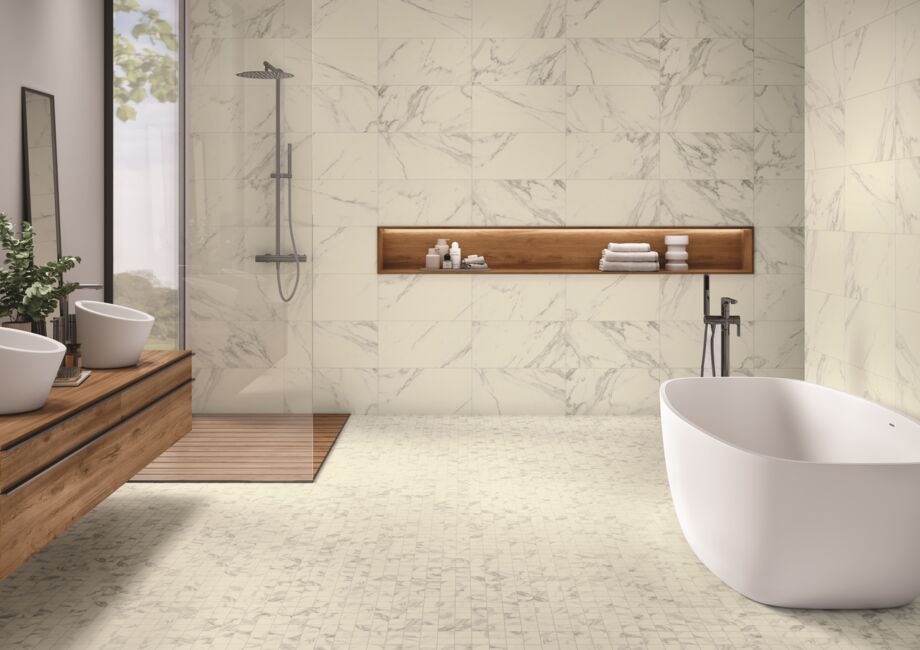
Porcelain Tile Design Ideas for Shower Walls and Floors
Porcelain tile gives you limitless design freedom in the shower. Whether you prefer modern minimalism or classic styling, there’s a look that fits your space.
Large-Format Porcelain for a Spa-Like Look
Oversized tiles create long sightlines and fewer grout lines, giving the shower a more expansive, luxurious feel.
Classic or Modern Subway Tile
Subway tile remains a favorite for shower walls. Lay it in a traditional brick pattern for a timeless look, or stack it vertically to add height and a more modern edge.
Stone-Look Porcelain for a Timeless Shower
Marble and limestone visuals bring the elegance of natural stone without the sealing and upkeep. It’s a beautiful way to elevate a bathroom with long-term practicality. Urban Indulgence™ features 16 stone-look porcelain tile options.
Wood-Grain Porcelain Tile for Warmth and Texture
Wood-look planks deliver the warmth of natural hardwood with the moisture resistance of porcelain, ideal for creating a spa-like retreat with organic character. Delicate Expressions™, one of Robbins’ offerings, is available in 10 colors and in 8” x 48” planks that beautifully mirror wood planks.
Hexagon or Mosaic Porcelain Accents
Smaller shapes add depth and detail. Use mosaics on the shower floor for natural traction or as an accent band to create visual interest without overwhelming the space.
Make Grout Part of the Design
Contrast grout for a bold statement, or choose a tone-on-tone approach for a quiet, seamless look. The choice of grout can dramatically change the overall feel of the shower.
Do Porcelain Tiles Need Sealing in the Shower?
Porcelain tile itself does not generally need sealing. Its dense, low-absorption structure makes it naturally resistant to moisture, stains, and mildew. That’s one of the most significant advantages of choosing porcelain for a shower.
That said, it’s worth noting that polished porcelain tile requires a one-time penetrating sealer before grouting.
Grout Lines Do Need Sealing
Grout is porous and can absorb water, soap residue, and body oils over time. Sealing the grout helps prevent staining and reduces the chance of mildew forming in the joints.
How Often Should Grout Be Sealed?
A good rule of thumb is to reseal shower grout every 6 to 12 months, depending on usage and cleaning habits. High-use family bathrooms benefit from more frequent sealing.
Why Sealing Matters
Sealing grout keeps your shower looking clean while helping protect the wall assembly behind the tile. It also makes routine cleaning easier since sealed grout resists discoloration and buildup.
How to Care for Porcelain Tile in a Shower
Porcelain tile is one of the easiest shower surfaces to maintain, but a simple routine helps keep it looking new for years.
Daily Care
A little daily care goes a long way.
- Wipe the walls dry: Use a squeegee or microfiber cloth after each shower to remove water droplets and soap residue.
- Ventilate the bathroom: Run an exhaust fan during and after showering to reduce humidity and help prevent mildew.
- Keep grout lines clean: Even though porcelain doesn’t absorb moisture, grout can collect residue if left wet.
Deep Cleaning
For deeper weekly or bi-weekly cleaning, use gentle, non-abrasive products.
- Use a pH-neutral cleaner: This is the best cleaner for porcelain tile showers because it removes buildup without damaging the surface or dulling the finish.
- Choose soft cleaning tools: a soft sponge, a microfiber cloth, or a soft-bristled brush is all you need.
- Rinse and dry: After cleaning, rinse the tile thoroughly and dry it with a clean cloth to avoid water spots or streaking.
- Address soap scum: A pH-neutral cleaner mixed with a small amount of mild detergent helps dissolve soap scum without scratching the tile.
What to Avoid
Porcelain tile is tough, but some products can damage its surface or degrade grout over time.
- Avoid bleach, ammonia, vinegar, or acidic cleaners for routine cleaning.
- Avoid steel wool, abrasive pads, or rough brushes that can scratch the surface.
- Avoid oil-based or wax-based cleaners, as they can leave a film on porcelain and reduce traction.
With the proper care, porcelain tile maintains its beauty with minimal effort. It’s one of the big reasons homeowners love it for showers and other wet spaces.
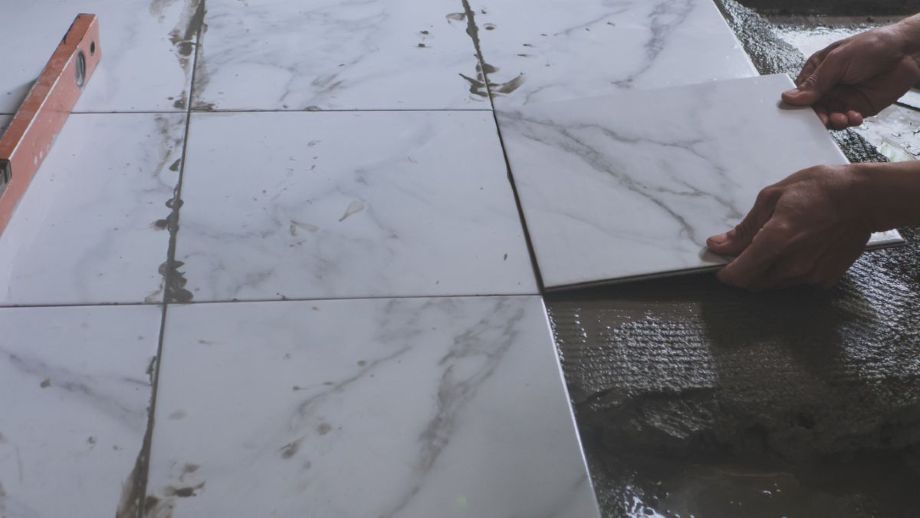
Installing Porcelain Tile in a Shower
Porcelain tile performs exceptionally well in showers, but only when installed correctly. Because shower environments stay wet longer with daily use, proper waterproofing and setting materials are essential for long-term performance.
Start with a Waterproof Foundation
You should build a porcelain shower on a cement backer board or other moisture-resistant substrate. Follow that with a waterproofing membrane that protects the wall structure from moisture. This step is critical because it prevents water from getting behind the tile.
Use the Right Mortar and Materials
Porcelain is denser than standard ceramic, so it requires a quality thin-set mortar designed for porcelain tile. Installers use notched trowels to create a strong, even bond and ensure complete coverage behind each tile.
Precision Matters in a Shower Environment
Because showers include niches, corners, fixtures, and slopes toward the drain, the layout and cutting must be exact. Tile spacers help maintain consistent grout joints, and a tile saw ensures clean, accurate cuts around edges and plumbing.
Finish with Grout and Proper Sealing
Once the tile is set, grout is applied to fill the joints. After it cures, you should seal the grout to protect it from moisture, discoloration, and mildew. The final step is applying flexible caulk at all wall transitions and where tile meets the shower base.
Why Many Homeowners Choose a Professional Tile Installer
Porcelain’s hardness and its waterproofing requirements make shower installations more complex than standard wall tile projects. A professional installation helps ensure the shower drains correctly, stays watertight, and performs flawlessly for decades.
“Porcelain is engineered for performance. Matched with the right installation, it becomes one of the longest-lasting surfaces you can put in a bathroom.” – Noah Chitty, VP Sustainability & Technical Services, at AHF™.
Porcelain Tile for Showers: A Smart, Stylish Choice
Porcelain tile offers an unmatched combination of performance and beauty in wet areas. It’s waterproof, durable, easy to clean, and endlessly versatile in style. From spa-inspired marble looks to textured stone visuals and handcrafted finishes, porcelain can transform any bathroom into a retreat.
Robbins offers porcelain tile collections for shower walls and floors. The tiles are also perfect for backsplashes, flooring, countertops, and outdoor areas such as patios, porches, and entryways.
These collections blend practical performance with timeless design, giving you the freedom to create a bathroom that feels peaceful, polished, and beautifully put together.
You can shop for Robbins porcelain tile collections at a retailer near you. Turn your shower into a luxury retreat.
Frequently Asked Questions
Are porcelain tiles suitable for showers?
Yes. Porcelain is durable, water-resistant, and easy to clean, making it one of the best materials for shower walls and floors.
Is porcelain tile slippery in showers?
For best results, choose a matte or textured finish. These provide more traction underfoot.
Is porcelain better than ceramic tile for showers?
Yes. Porcelain absorbs less water and performs better in steam and wet conditions.
Do porcelain tiles need sealing?
No. Porcelain generally does not need sealing, but you should seal the grout for maximum protection. Polished porcelain tile, however, requires a one-time penetrating sealer before grouting.
What is the best tile for shower floors?
Small porcelain mosaics with matte or textured finishes are the best choices.