
How to Choose Flooring for Your Home – A Comprehensive Guide
April 10, 2026 | By Robbins Flooring Experts
Selecting flooring is one of the most significant decisions you’ll make when improving your home. It affects daily comfort, long-term performance, resale value, and overall design.
Most homeowners start with one central question: Should I choose hardwood flooring, or does this space require a different performance solution because of moisture, traffic, or budget constraints?
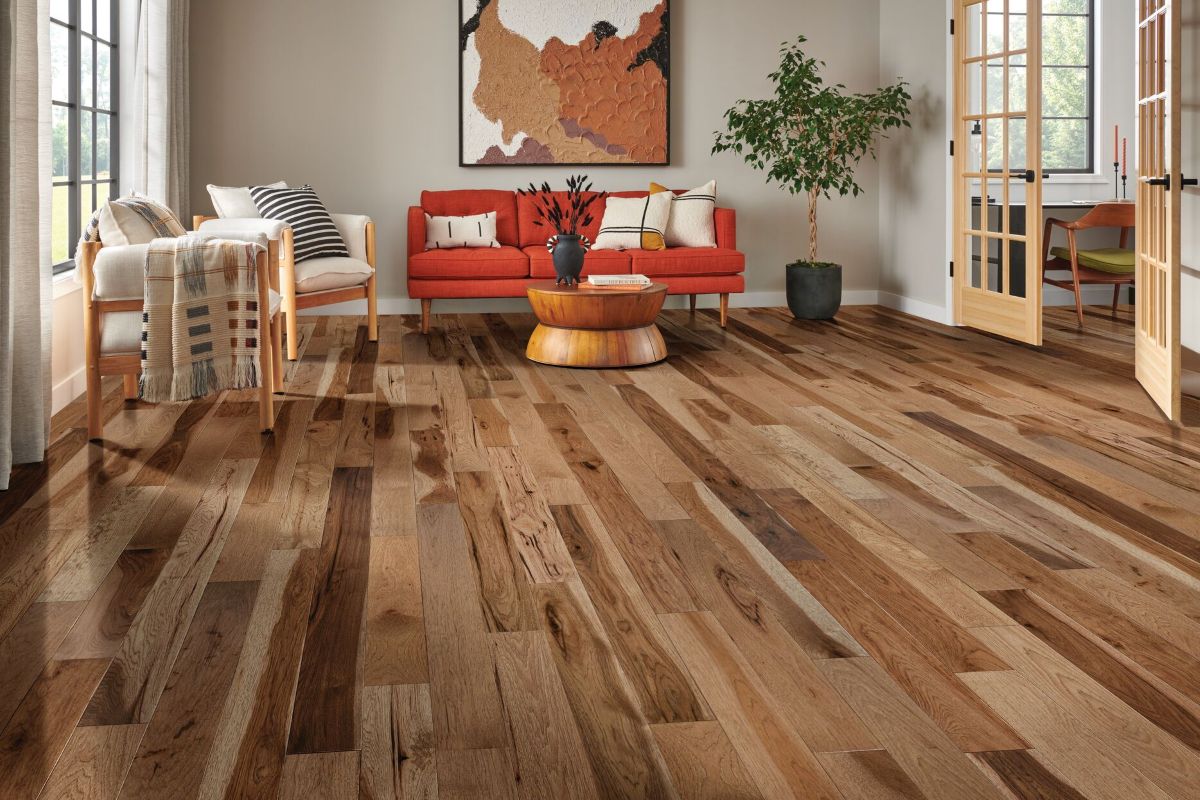
Solid hickory flooring adds character to any room.
Hardwood Flooring Remains the Benchmark for Homes
Hardwood remains the benchmark for durability, design longevity, and resale appeal. From there, you can evaluate other materials based on moisture exposure, traffic levels, comfort preferences, and budget.
In a new trend report from Bona®, 61% of Americans prioritized wood flooring when designing or purchasing a home.
This guide walks through how to make that decision confidently, room by room, while balancing performance, style, and investment.
Key Takeaways
- Start with the room, not the trend. Kitchens, bathrooms, and basements have different performance needs than living areas and bedrooms.
- Use hardwood as your benchmark. Solid and engineered hardwood set the standard for durability and long-term value.
- Choose alternative materials when environmental conditions require added moisture resistance or specialized performance.
- Match durability to lifestyle. Kids, pets, and heavy traffic demand stronger wear resistance.
- Budget for the full project, including installation and preparation.
- Mid-tone wood floors are often the easiest to live with.
- Installation and warranty requirements directly affect long-term performance.
Why Flooring Selection Is Important
Choosing the right flooring is more than a design decision. It determines how your home performs, feels, and holds value over time.
“Flooring decisions tend to last much longer than most other design choices in a home. When homeowners think about performance, comfort, and long-term value at the same time, they’re far more likely to be happy with the result years down the road.”
— Devon McGrorty, Marketing Manager, AHF™
Key Considerations When Selecting Flooring
Choosing flooring isn’t just about what looks good today. The right decision balances performance, longevity, and long-term cost. A few core considerations can guide that decision.
Durability and Room Function
Different spaces place different demands on flooring. High-traffic areas require strong wear resistance. Kitchens, bathrooms, and laundry rooms require moisture management.
Selecting flooring based on how you will use a room helps extend lifespan and avoid premature replacement.
Resale Value and Return on Investment
Flooring strongly influences buyer perception. Hardwood flooring, in particular, consistently ranks among the most desirable home upgrades.
A research report by the National Wood Flooring Association (NWFA) concluded that homeowners prefer wood floors for their dream home. They also overwhelmingly believe wood floors add the most value to a home: 79 percent of homeowners agree.
Well-chosen materials signal quality, care, and long-term durability.
Comfort and Safety
Flooring affects how a home feels underfoot. Hardwood provides warmth and structure. Carpet offers softness. Tile offers moisture resistance but a firmer surface.
The right material supports both comfort and safety.
Acoustics and Maintenance
Carpet and certain performance flooring options can help absorb sound in multi-level homes. Hardwood and tile may require area rugs for additional sound control.
Maintenance expectations vary by material. You can refinish solid hardwood multiple times. Tile may require sealing. Vinyl typically requires simple cleaning routines.
Aesthetics and Design Flow
Flooring sets the visual foundation of a space. Wood species, plank width, finish, and color all influence how large or cohesive a room feels.
Choosing thoughtfully ensures long-term design flexibility.
Flooring Market Trends: What’s Driving Choices Today
The global flooring industry continues to grow, with 2025 revenue estimated at $385.6 billion and projected to exceed $630 billion by 2033, according to Grand View Research.
Within that growth:
- Wood and ceramic tile continue to hold strong market share.
- Luxury vinyl products are expanding because of their moisture resistance and price-performance balance.
- Residential renovation remains a primary driver of flooring demand.
“We’re seeing homeowners increasingly value function and performance alongside design. Durability and water resistance aren’t luxuries anymore. They’re expectations.”
— Devon McGrorty
While performance products are growing in popularity, hardwood remains one of the most sought-after materials for its long-term value and aesthetic appeal.
Understanding Your Primary Flooring Categories
Most homeowners don’t choose flooring by industry terminology. They choose based on performance and appearance.
Hardwood Flooring: Solid and Engineered
Hardwood remains the benchmark.
Solid hardwood is milled from a single piece of wood and can be refinished multiple times, often lasting 50 years or more.
Engineered hardwood uses a real-wood veneer over a layered construction, providing improved dimensional stability in changing humidity conditions.
For a closer look at the differences between solid and engineered hardwood flooring, read Solid vs Engineered Hardwood – Is One Better.
For living rooms, dining rooms, bedrooms, and open layouts, hardwood remains a leading choice.
Tile and Natural Stone
Porcelain and ceramic tile perform exceptionally well in moisture-prone areas such as bathrooms and entryways.
Natural stone offers durability and distinctive character but may require sealing.
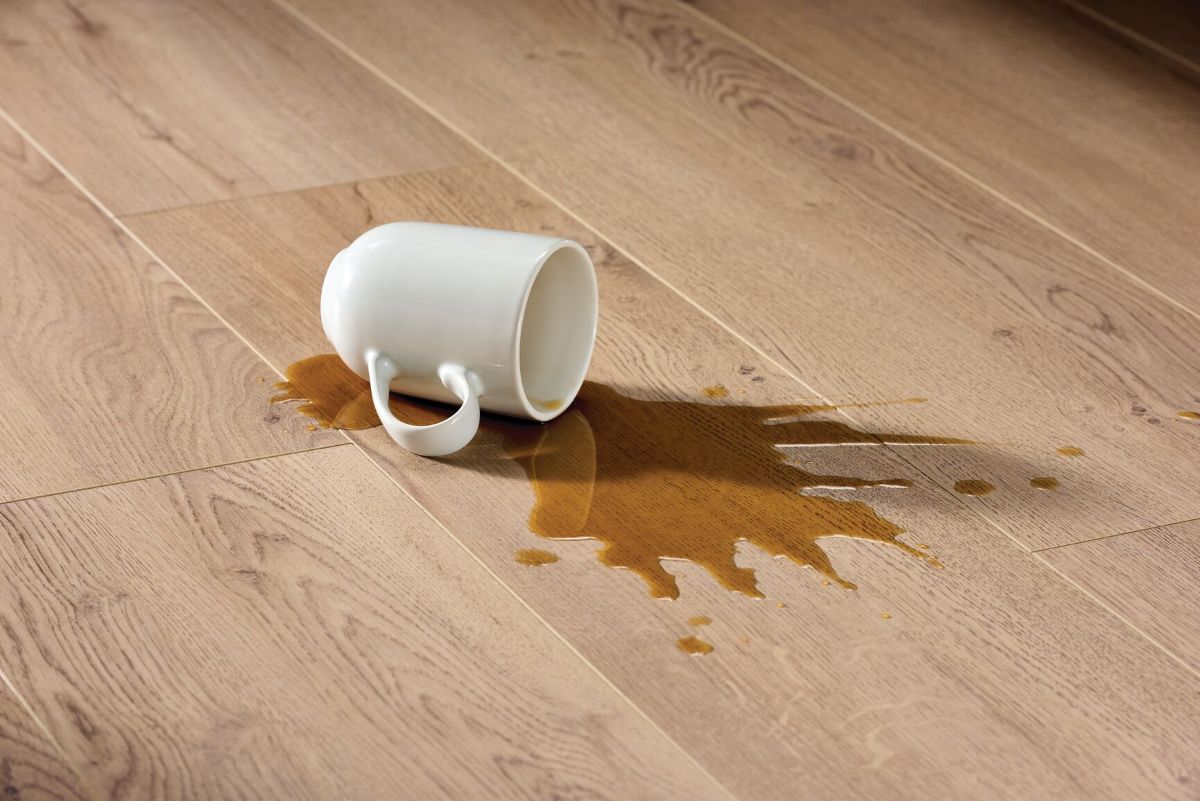
Companies like Robbins® offer waterproof laminate flooring.
Laminate Flooring
Laminate flooring offers a wood-look surface with a durable wear layer over a fiberboard core. Unlike older laminate versions, you can even purchase waterproof laminate.
Modern laminate products provide strong scratch resistance and realistic visuals at a moderate price point.
Laminate may be appropriate for:
- Living rooms
- Bedrooms
- Hallways
- Moderate-traffic areas
While laminate resists surface wear well, it typically cannot be refinished like hardwood and may be less tolerant of standing moisture.
Find out how laminate flooring compares to engineered hardwood.
Luxury Vinyl and Performance Flooring
Luxury vinyl flooring includes a range of performance-driven products designed to replicate wood visuals while offering enhanced water resistance.
This category may include:
- LVT (Luxury Vinyl Tile)
- LVP (Luxury Vinyl Plank)
- Rigid core flooring
- Hybrid resilient constructions
Rigid core and hybrid resilient products often feature layered construction that provides enhanced stability and waterproofing, making them suitable for basements, laundry rooms, and high-moisture environments.
Homeowners typically choose these materials when moisture management or heavy wear demands exceed what natural wood can comfortably handle. Another benefit is that they generally cost less than options like wood, stone, or tile.
They serve as performance solutions, not direct replacements for hardwood’s refinishing potential and lifespan.
Take a look at Luxury Vinyl Flooring vs. Hardwood to help you decide between the two.
Carpet
Carpeting remains a popular flooring option, largely for its unmatched comfort, warmth, and cozy aesthetic. It offers a soft, safe, and noise-reducing surface that feels better underfoot than hard flooring.
Grand View Research reports the global carpet market was valued at USD 17,030.7 million in 2022. It’s expected to increase steadily through the end of the decade, driven by residential renovation and demand for multifamily housing.
Carpet is especially popular in:
- Bedrooms
- Lower-traffic living spaces
- Areas where sound absorption and softness underfoot matter most
While carpet provides unmatched comfort, it generally requires more maintenance and has a shorter lifespan compared to hardwood or tile.
Choosing Flooring by Room Type
Selecting flooring room by room helps ensure each space performs as intended. Moisture levels, foot traffic, and comfort vary throughout a home, so a single material rarely works best everywhere.
Best Flooring Options by Room
| Room Type | Primary Needs | Best Flooring Options | Why It Works |
| Kitchens | Moisture resistance, durability, and easy cleaning | Engineered hardwood, porcelain tile, LVT, LVP | Handles spills, humidity, and daily wear with minimal maintenance |
| Bathrooms | Waterproof performance, slip resistance | Porcelain or ceramic tile, waterproof vinyl | Resists moisture and prevents warping or damage |
| Living Rooms | Comfort, durability, and visual appeal | Hardwood, engineered wood, LVT/LVP | Balances style with performance in high-use areas |
| Family Rooms | Noise reduction, durability, comfort | Carpet, LVT/LVP, engineered wood | Absorbs sound while standing up to daily activity |
| Bedrooms | Warmth, softness, quiet | Carpet, engineered wood, laminate | Provides comfort and sound control |
| Hallways & Entryways | High traffic, dirt resistance | Porcelain tile, LVT, stone | Durable and easy to clean in busy transition areas |
| Basements | Moisture tolerance, stability | Luxury vinyl, engineered wood, tile | Performs well in humid or below-grade conditions |
| Laundry Rooms | Water resistance, easy maintenance | Tile, waterproof vinyl | Designed for frequent moisture exposure |
Key Considerations When Choosing Flooring by Room
The best flooring choice depends on more than style alone. A few key considerations can guide your decisions about how you use each space and live day to day.
- Traffic and lifestyle: Homes with kids or pets benefit from scratch-resistant, easy-to-clean materials like vinyl or laminate.
- Room size and lighting: Light-colored flooring can make smaller or darker rooms feel more open, while darker tones work well in large, bright spaces.
- Consistency and flow: Open floor plans often feel more cohesive when you use a single primary flooring type throughout connected rooms, with transitions reserved for wet areas.
Setting a Budget for Your Flooring Project
Creating a realistic flooring budget helps avoid surprises later. Beyond the cost of the material itself, installation, preparation, and small extras can significantly impact the final price.
Understanding these factors upfront makes it easier to choose flooring that fits both your home and your budget.
Step 1: Calculate Square Footage
Start by measuring the length and width of each room, then multiply them to calculate the total square footage. Always add 10–15 percent extra to account for cuts, waste, and mistakes, especially for plank or tile installations.
Step 2: Understand Material Price Ranges
Here’s a breakdown of typical flooring costs (material only) based on recent industry data from HomeAdvisor, Fixr, and Angi.
| Flooring Type | Typical Material Cost (per sq. ft.) |
| Carpet | $1–$5 |
| Laminate | $1–$6 |
| Luxury Vinyl (LVT/LVP) | $2–$8 |
| Engineered Wood | $4–$12 |
| Solid Hardwood | $6–$15+ |
| Tile or Natural Stone | $5–$20+ |
Material choice has the most significant influence on cost, but it’s only part of the equation.
Step 3: Factor in Installation Costs
Professional installation often matches or exceeds material costs, depending on complexity. Tile patterns, hardwood layouts, stairs, and subfloor prep all increase labor time and expense.
Approximate national labor cost ranges (per square foot):
- Carpet: $1.50 – $3.50
- Laminate: $1.75 – $4.00
- Vinyl (LVT/LVP): $2.00 – $5.00
- Engineered Hardwood: $3.00 – $7.00
- Solid Hardwood: $4.00 – $9.00
- Tile (including grout, layout, and sealing): $5.00 – $12.00+
(Sources: HomeAdvisor, Fixr, Angi labor cost data)
Step 4: Plan for Additional Expenses
Many projects include costs that aren’t obvious at first glance:
- Removal of existing flooring
- Subfloor repairs or leveling
- Moisture barriers or underlayment
- Trim, transitions, and baseboards
Setting aside an extra 10–15 percent contingency helps cover these items without stretching your budget.
Step 5: Estimate the Total Project Cost
To estimate your full budget:
- Multiply square footage by material cost
- Add installation labor
- Add preparation and contingency costs
For example, a 500-square-foot room may cost between $1,000 and $10,000, depending on the materials selected and the complexity of installation.
Budget Tip for Homeowners
Spending slightly more on durable, low-maintenance flooring can reduce long-term costs by minimizing repairs, refinishing, or early replacement. It’s good to have considered all these factors as you prepare for a visit to a flooring retailer.
Choose a Floor That Fits Durability and Maintenance Concerns
Durability is one of the most important factors when choosing flooring, especially in homes with kids, pets, or high foot traffic. Some materials withstand moisture, scratches, and heavy use, while others trade durability for comfort or refinishing potential.
The chart below compares common flooring types based on real-world performance.
| Flooring Type | Overall Durability | Water Resistance | Scratch & Dent Resistance | Typical Lifespan | Best Uses |
| Porcelain / Ceramic Tile | Very High | Excellent | Excellent | 50+ years | Kitchens, bathrooms, entryways |
| Natural Stone | Very High | Good (requires sealing) | Excellent | 50+ years | Living areas, entryways |
| Luxury Vinyl (LVT/LVP) | High | Excellent (many are waterproof) | High | 15–25 years | Whole home, high-traffic areas |
| Laminate (AC4–AC5) | High | Moderate to Good | Very High | 15–25 years | Living rooms, hallways |
| Solid Hardwood | High | Low to Moderate | Moderate | 50+ years (refinishable) | Living rooms, dining rooms |
| Engineered Hardwood | Medium–High | Better than solid wood | Moderate | 20–40 years | Bedrooms, living areas |
| Concrete | Extremely High | Excellent | Excellent | 50+ years | Basements, utility spaces |
| Carpet | Low–Medium | Low | Low | 5–15 years | Bedrooms, low-traffic areas |
Key Durability Factors to Consider
When comparing flooring options, durability depends on more than just material type. A few key factors help explain how different floors perform over time and in various environments.
- Water resistance: Tile, luxury vinyl, and concrete perform best in moisture-prone areas. Learn more about Moisture-Resistant Flooring for Water-Prone Areas.
- Scratch-and-dent resistance: Laminate, luxury vinyl, and harder wood species handle pets and furniture better. For example, Hardened Wood Flooring is Designed for Real Life.
- Refinishing potential: Solid hardwood can be refinished multiple times, extending its lifespan.
- Maintenance expectations: Tile and vinyl generally require the least ongoing care.
How to Balance Durability with Comfort and Style
The most durable flooring isn’t always the best choice for every room. Many homeowners combine materials, using highly durable floors in kitchens, entryways, and basements, while choosing warmer or softer options in bedrooms and living spaces.
“The most durable floor isn’t always the right answer for every room. Matching durability to how you actually use a space leads to better performance and a better homeowner experience over time.”
–Travis Bjorkman, Principal Scientist for Wood Flooring, AHF™.
Focusing on durability by room helps avoid premature wear, repairs, or replacement, while still achieving the look and comfort you want throughout the home.
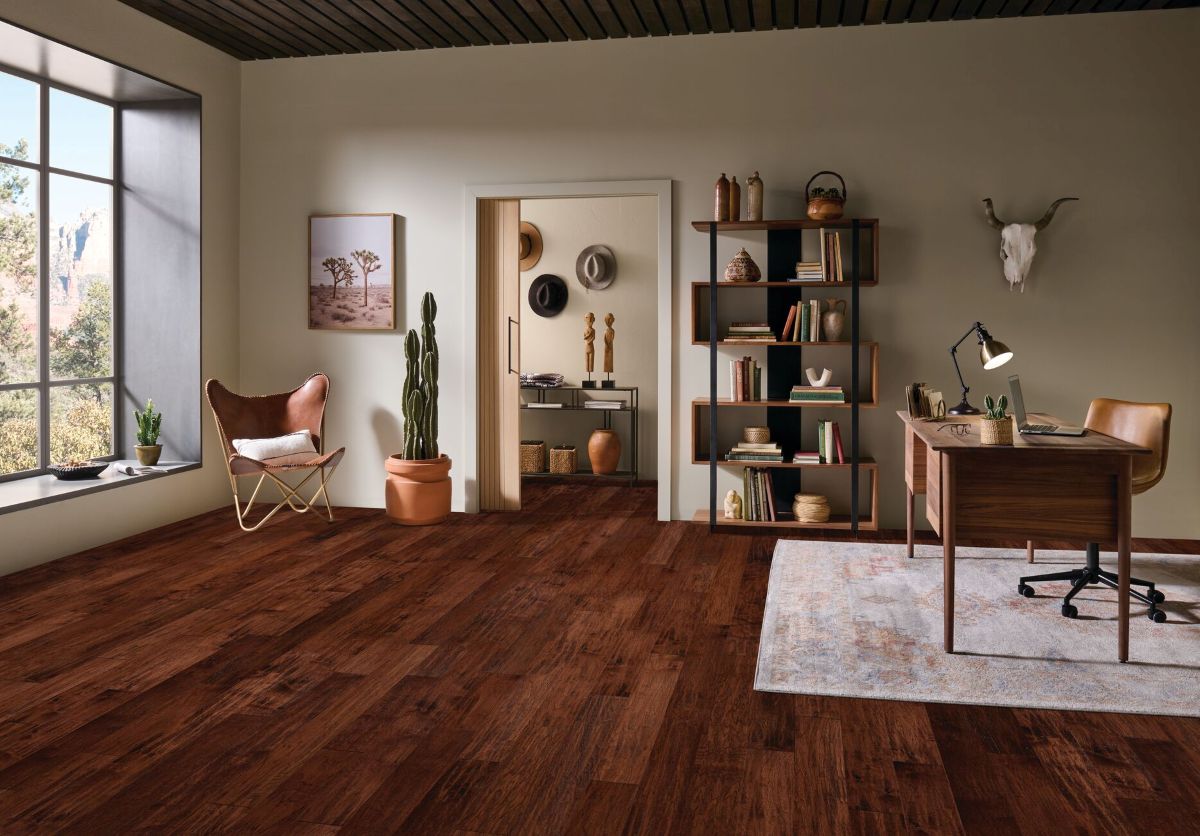
Dark wood flooring brings warmth, sophistication, and a sense of luxury to a room, often making large spaces feel more intimate, grounded, and cozy.
How to Choose a Flooring Color
Flooring color sets the tone for an entire space. The right choice balances mood, room size, existing décor, and everyday practicality. Before committing to a color, step back and consider how the room should feel and how the floor will perform over time.
1. Start With the Mood You Want
Flooring color influences a space’s atmosphere as much as furniture or wall color. Choosing the right tone starts with defining the mood you want the room to convey.
- Light and airy: Pale woods, whitewashed tones, and light neutrals help small or dark rooms feel more open.
- Warm and cozy: Medium to dark tones, such as walnut or espresso, add depth and richness, especially in larger rooms.
As a general rule, lighter floors visually expand a space, while darker floors anchor it.
2. Match Undertones With Existing Décor
Undertones matter as much as color itself.
- Warm undertones: Pair well with beige, cream, warm whites, and natural wood furniture.
- Cool undertones: Work best with grays, crisp whites, and modern finishes.
- Neutral floors: Beige, greige, and natural oak tones provide flexibility as décor changes over time.
Contrast can work well, such as dark floors with light furniture, as long as undertones remain consistent.
3. Choose a Color That Fits Your Lifestyle
Some colors are easier to live with than others.
| Color Range | Impact |
| Light tones | Brighten spaces while making dirt and pet hair more visible. |
| Dark tones | Add drama but highlight dust, scratches, and footprints. |
| Mid-tones | Best at hiding everyday wear, dirt, and pet hair |
Homes with kids, pets, or heavy traffic tend to benefit most from mid-toned flooring.
4. Always Test Samples in Your Home
Flooring colors vary with lighting.
- View samples in natural and artificial light
- Check them at different times of day
- Place samples near cabinets, walls, and furniture
What looks perfect in a showroom can appear very different once installed.
5. Think Long-Term, Not Just Trends
Flooring is a long-term investment. Neutral tones and classic wood looks tend to age better than bold or highly trendy colors. Choosing a timeless base allows you to update paint, furniture, and accessories without replacing the floor.
6. Don’t Forget the Finish
Finish affects both appearance and maintenance.
- Matte or satin finishes: More natural look, hides scratches and dust better
- Glossy finishes: Reflect more light but show smudges, scratches, and wear more easily
For most homes, matte or satin finishes offer the best balance of style and practicality.
The Safest Color Selection
The best flooring color supports the way you live, complements your space, and still looks good years from now. When in doubt, mid-tones, neutral undertones, and softer finishes are the safest and most versatile choices.
Take advantage of a Room Designer like that from Robbins® to see how flooring looks in your room. That helps reduce guesswork and ensures you find the best fit for your flooring.
Flooring Installation and Warranty: What to Know Before You Buy
Installation and warranty details may not be the most exciting part of choosing flooring, but they play a significant role in how well a floor performs over time. Understanding a few basics upfront can help protect your investment and avoid unexpected issues later.
What to Consider With Flooring Warranties
Most flooring warranties cover manufacturing defects, not everyday wear or installation errors. Knowing what is and isn’t covered helps set realistic expectations.
What warranties typically cover:
- Manufacturing defects in planks or tiles
- Structural issues such as warping, buckling, or cupping
- Premature surface wear under everyday residential use
Common conditions for warranty validity:
- You must install flooring according to the manufacturer’s written instructions
- Proper acclimation, subfloor preparation, and expansion gaps are required
- Environmental conditions, such as temperature and humidity, must fall within specified ranges
Common exclusions to be aware of:
- Damage caused by moisture, flooding, or excessive humidity
- Pet damage, scratches, or stains
- Improper cleaning methods or harsh chemicals
- Changes in gloss or appearance that are considered normal aging
Some warranties are transferable when you sell your home, while others are not. It’s worth checking whether resale value is a concern.
“Installation plays a critical role in how flooring performs long-term. Following manufacturer guidelines and working with experienced installers helps ensure homeowners get the full benefit of the product and its warranty.”
– Devon McGrorty, Marketing Manager, AHF™.
What to Consider With Flooring Installation
Even the highest-quality flooring can fail if you install it incorrectly. Installation directly affects durability, appearance, and warranty coverage.
Key installation considerations include:
- Professional vs. DIY: Some warranties require professional installation. DIY installs may void coverage if you fail to follow specifications precisely.
- Subfloor preparation: Uneven or improperly prepared subfloors can cause noise, movement, or long-term damage.
- Expansion gaps: Floating floors require space to expand and contract. Skipping this step can lead to buckling.
- Environmental control: Maintaining proper temperature and humidity is especially important for wood flooring.
In addition to the manufacturer’s warranty, reputable installers often provide a separate warranty, which covers installation-related issues. Learn more about what to expect with flooring installation.
Smart Steps to Protect Your Warranty
Before and after installation:
- Inspect flooring materials before installation and document any visible defects
- Follow the manufacturer’s installation guidelines carefully
- Keep all receipts, installation contracts, and warranty documents
These steps make it much easier to address issues if you ever need to file a warranty claim.
Performance Matters with Flooring
Warranties and installation go hand in hand. Choosing the right flooring is only part of the equation. Proper installation and understanding warranty requirements help ensure your floor performs as expected for years to come.
Choose the Floor That Fits Your Life
Flooring isn’t just a surface. It’s part of how you live. Your choice should reflect your daily routines, comfort needs, design preferences, and long-term plans.
With options ranging from timeless hardwood flooring to performance-driven alternatives like vinyl and porcelain tile, Robbins® offers solutions for every room and every lifestyle.
Explore flooring options from Robbins online or visit a local retailer to see styles in person. If you’re ready to explore options in person or find the right match for your home, reach out to your nearest Robbins flooring expert today.
Flooring Questions Homeowners Ask Most Often
These are some of the most searched flooring questions online — answered clearly for homeowners.
What is the Best Type of Flooring for Your Home?
There’s no single “best.” The right choice depends on each room’s function. Luxury vinyl and engineered hardwood are among the most versatile options, depending on the room.
Should Flooring Be Lighter or Darker than Walls?
Both can work. The key is visual balance. Light floors can make smaller rooms feel more open; darker floors add contrast and richness.
What Is the Rule of 3 in Flooring?
The “Rule of 3” suggests using no more than three different flooring materials in a home to maintain visual flow.
What Is the 60/30/10 Rule for Flooring?
This design guideline recommends 60% dominant flooring, 30% secondary material (like rugs or accent zones), and 10% texture or accent detail.
What Is the Best Pattern to Lay Flooring?
Straight lay is classic and flexible for most rooms. Diagonal and herringbone patterns add visual interest but are costlier to install.